Easy Korean Bibimbap
Highlighted under: International Recipe Collection
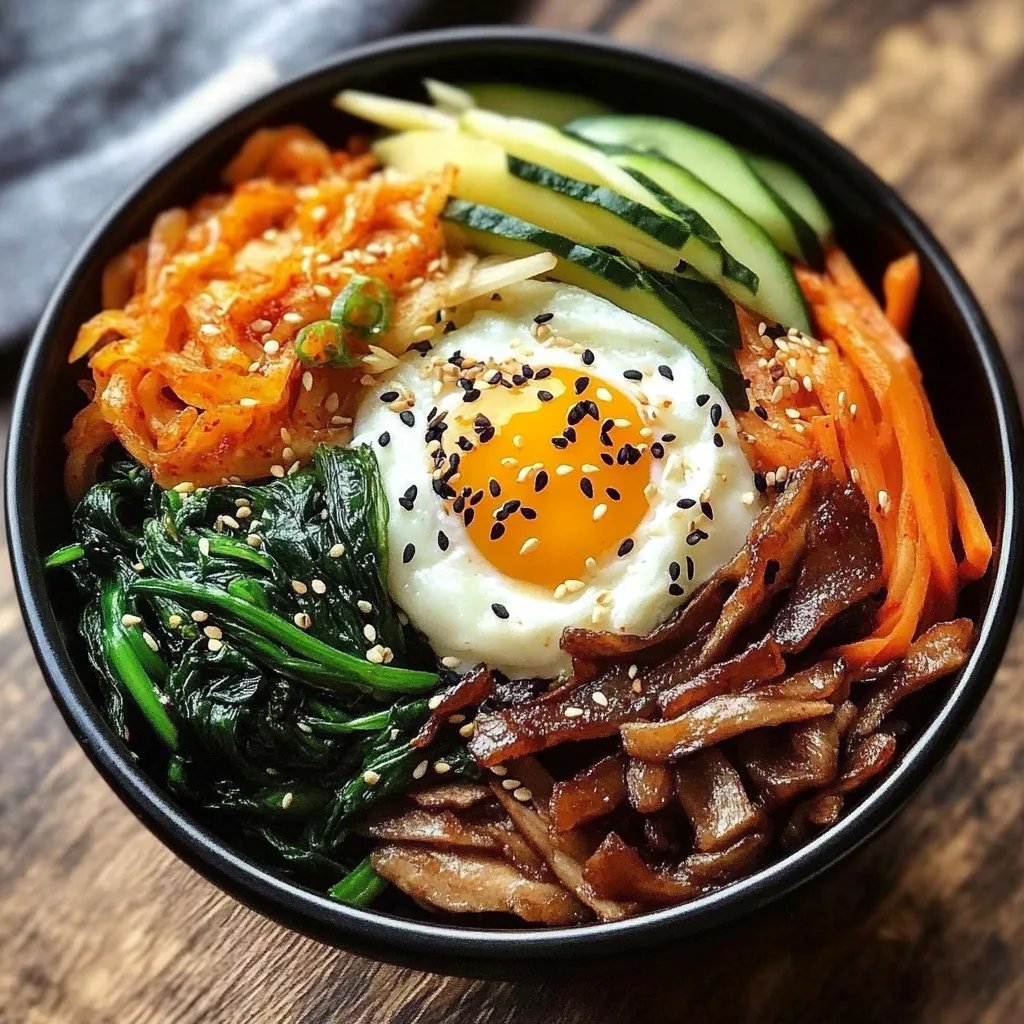
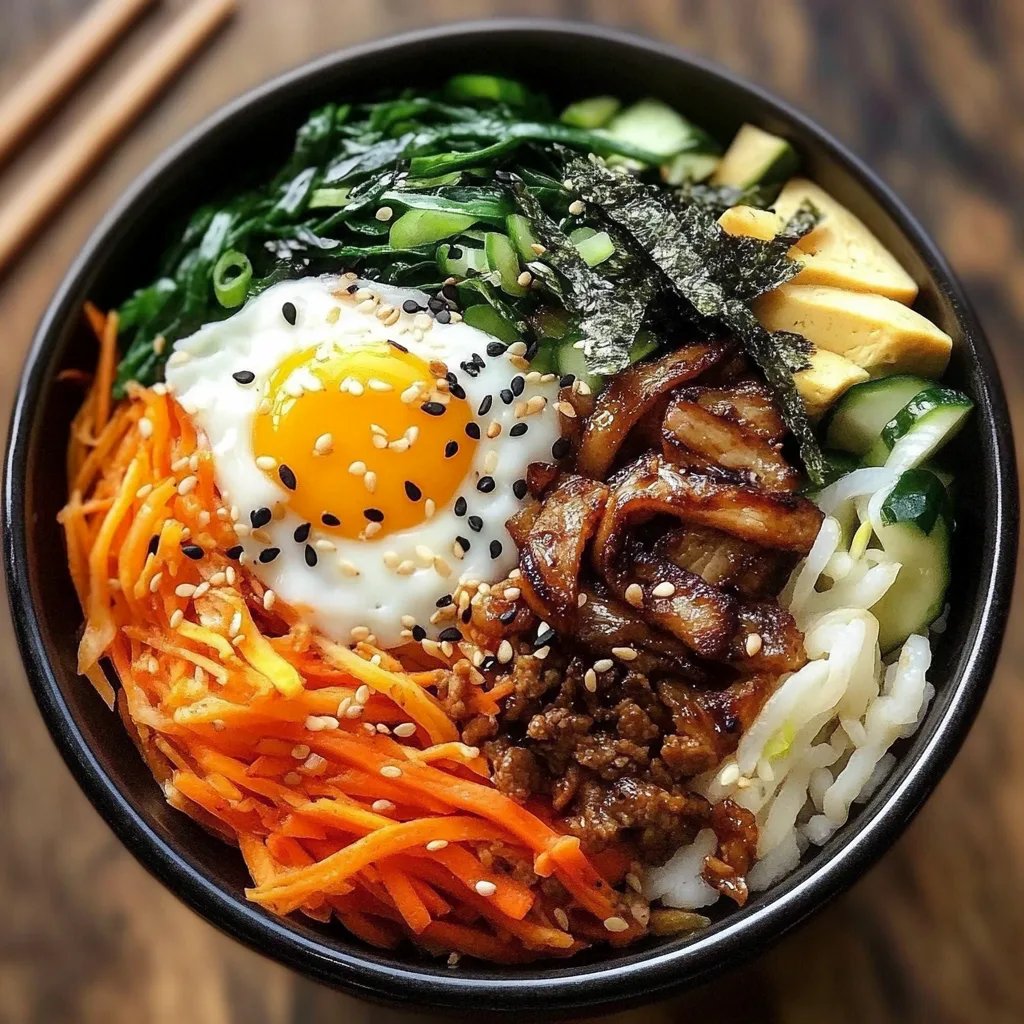
This Easy Korean Bibimbap recipe is a vibrant and nutritious dish that showcases a beautiful medley of colorful vegetables, tender meat, and perfectly cooked rice. Topped with a fried egg and drizzled with spicy gochujang sauce, this one-bowl meal is not only delicious but also customizable to your taste preferences. Perfect for a quick lunch or dinner, you'll love how this wholesome dish brings a taste of Korea to your kitchen effortlessly.
Discover the joy of making Korean Bibimbap at home!
Understanding Bibimbap
Bibimbap is a traditional Korean dish that translates to 'mixed rice.' This vibrant meal combines a variety of ingredients, each representing different flavors, textures, and nutritional benefits. The base of bibimbap is rice, served warm and fluffy, providing a comforting foundation for the colorful toppings that follow. The combination of cooked and raw vegetables not only adds a wonderful crunch but also brings an array of vitamins and minerals to this delicious dish.
Different regions in Korea have their own twists on bibimbap, making it a versatile option for any occasion. While the classic version features beef, other proteins like chicken, tofu, or even seafood can be substituted, catering to diverse dietary preferences. The use of gochujang sauce, a spicy and slightly sweet fermented chili paste, elevates the flavors, making each bite a delightful experience.
Customizing Your Bibimbap
One of the most appealing aspects of bibimbap is its incredible flexibility. You can personalize your bibimbap by experimenting with different vegetables and proteins to suit your taste. Feel free to incorporate seasonal vegetables like bell peppers or snap peas, or even add some fermented radish for an extra zing. This dish is perfect for using up leftovers, making it both practical and resourceful.
Additionally, for those seeking a plant-based option, swapping out meat for marinated tofu or a hearty portion of mushrooms can create a wholesome and satisfying meal. The key is to ensure the ingredients are vibrant and varied, making for a visually appealing and delicious bowl.
The Health Benefits of Bibimbap
Bibimbap is not just a feast for the eyes; it's also a powerhouse of nutrition. The array of vegetables provides dietary fiber, essential vitamins, and minerals contributing to overall health. By incorporating lean protein, such as beef or tofu, this dish is a well-rounded meal that supports muscle growth and repair, making it ideal for a post-workout meal.
Furthermore, the use of sesame oil in the recipe adds healthy fats, which are crucial for brain function and heart health. The probiotics from fermented ingredients, like gochujang or kimchi, can also enhance gut health. With its balanced flavors and nutritional profile, bibimbap is a delicious way to nourish your body while enjoying a taste of Korea.
Ingredients
Gather these ingredients to make your bibimbap.
Ingredients
- 2 cups cooked rice
- 1 cup assorted vegetables (carrots, spinach, zucchini, mushrooms)
- 200g beef (sliced thinly)
- 2 eggs
- 2 tablespoons gochujang sauce
- 1 tablespoon sesame oil
- Salt and pepper to taste
- Sesame seeds for garnish
Make sure to prep all ingredients before assembly.
Instructions
Follow these steps to create your delicious bibimbap.
Prepare the Ingredients
Slice all vegetables and beef, and cook the rice if not already done.
Cook the Meat
In a pan, heat 1 tablespoon of sesame oil, add beef, season with salt and pepper, and cook until browned.
Sauté the Vegetables
In the same pan, add vegetables and stir-fry until tender.
Fry the Eggs
In a separate pan, fry the eggs sunny-side up.
Assemble the Bibimbap
In a bowl, add cooked rice, arrange the beef and vegetables, top with egg, and drizzle with gochujang sauce.
Garnish and Serve
Sprinkle sesame seeds on top and enjoy your bibimbap!
Mix well before eating to combine flavors.
Pro Tips
For a vegan version, substitute beef with tofu and omit the egg.
Storage and Leftovers
If you happen to have leftovers after making bibimbap, storing it properly is key to preserving its freshness. Store each component separately in airtight containers to maintain the texture and flavor. The rice can be kept in the refrigerator for up to four days, while the vegetables and meat should ideally be consumed within two to three days.
When you're ready to enjoy your leftovers, simply reheat the rice and warm the toppings on the stove or in the microwave. Add a dash of sesame oil or additional gochujang before serving to refresh the flavors and moisture of the dish.
Pairing Suggestions
Bibimbap is a complete meal on its own, but pairing it with the right sides can enhance your dining experience. A simple soup, such as miso or a light broth, can complement the flavors of bibimbap beautifully. Alternatively, serving it alongside pickled vegetables or kimchi adds an extra layer of flavor and an authentic touch.
For a refreshing drink, consider pairing bibimbap with traditional Korean beverages like barley tea (bori cha) or even a light Soju if you wish to add a spirited touch to your meal. These pairings can elevate your meal, bringing a little extra Korean flavor to your table.
Questions About Recipes
→ Can I make bibimbap ahead of time?
Yes, you can prep the ingredients and assemble when ready to eat.
→ What other vegetables can I use?
Feel free to use any seasonal vegetables you enjoy.
Easy Korean Bibimbap
Created by: The Ultimaterecipehub Team
Recipe Type: International Recipe Collection
Skill Level: Intermediate
Final Quantity: 2.0
What You'll Need
Ingredients
- 2 cups cooked rice
- 1 cup assorted vegetables (carrots, spinach, zucchini, mushrooms)
- 200g beef (sliced thinly)
- 2 eggs
- 2 tablespoons gochujang sauce
- 1 tablespoon sesame oil
- Salt and pepper to taste
- Sesame seeds for garnish
How-To Steps
Slice all vegetables and beef, and cook the rice if not already done.
In a pan, heat 1 tablespoon of sesame oil, add beef, season with salt and pepper, and cook until browned.
In the same pan, add vegetables and stir-fry until tender.
In a separate pan, fry the eggs sunny-side up.
In a bowl, add cooked rice, arrange the beef and vegetables, top with egg, and drizzle with gochujang sauce.
Sprinkle sesame seeds on top and enjoy your bibimbap!
Extra Tips
For a vegan version, substitute beef with tofu and omit the egg.
Nutritional Breakdown (Per Serving)
- Calories: 600
- Protein: 30g
- Carbohydrates: 75g
- Fat: 20g